















London QS adds impact of Middle East war could see tender prices climb 7% in latest spring forecast
Fit out contractors willing to broaden their traditional markets could tap into a “rich seam” of more complicated refurbishment work, London QS Exigere has said.
The firm, in its latest quarterly report, said the number of contractors in the basebuild office market had shrunk – leaving a gap open for others.
It said: “In this constrained basebuild office contracting market, there is also an opportunity for fit out contractors willing to expand beyond their traditional interior work to encompass more complex refurbishment works including structural and facade elements.
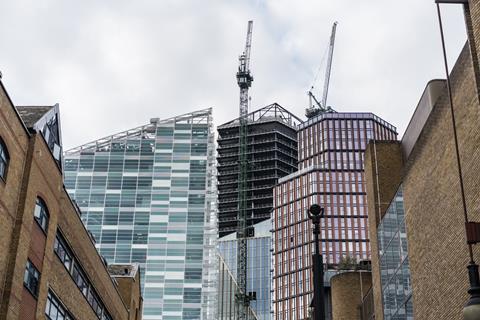
“Those who can take on the additional risk, and have the capacity, could find rich seams of work taking on projects in under-resourced areas that they may not have taken on in the past.”
It said projects’ viability was putting the brakes on new schemes coming out of the ground “reinforcing the dominance of refurbishment and fit-out activity”.
It added: ”Relatively minimal new office supply is anticipated through to 2028 as basebuild viability issues continue to bite, reinforcing the dominance of refurbishment and fit out activity.”
But the firm warned the data centre boom meant signing up M&E contractors was difficult and warned: “Continued conflict in the Middle East is also likely to intensify material cost pressures.”
It said if the conflict in the Middle East slides into the summer “energy price rises will continue to work their way through to energy price-sensitive materials, such as steel, rebar, concrete, aluminium and fuels. We will then move from short-term volatility to sustained price increases and broader tender price inflation.”
In its latest tender price forecast, Exigere said it expected tender price growth to be 3.5% this year but in its spring forecast gave a range for the rise of between 1% and 7%.







No comments yet