
















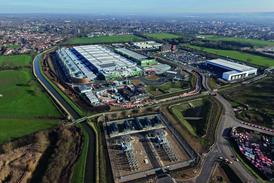

Concerns raised over who will foot bill if costs on £48bn scheme overrun
The Public Accounts Committee (PAC) has warned that Sizewell C should be clearer on the construction risks of building the new nuclear power station, calling the current proposal “a terrible deal for the UK taxpayer”.
It said the expected cost of the Suffolk scheme had been put at between £40.5bn and £47.7bn and is due to finish between 2039 and 2043.
But the public spending watchdog warned: “The design has a poor international delivery record, with a clear pattern of delays and cost escalations.
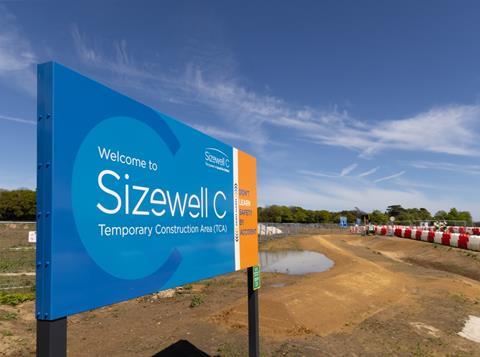
“The [government] is relying on Sizewell C’s more mature design – 85% the same as the completed Hinkley Point C design – and the transfer of learning from Hinkley Point C for the project to succeed where others have not. But it remains a highly complex infrastructure mega project with substantial uncertainty over its cost and schedule.”
It added that plans to provide parliament with only an annual update on forecasts were “totally inadequate for a project with significant exposure for taxpayers and consumers and could mean that emerging risks remain hidden for longer and are more costly to address when they do become apparent”.
The PAC said: “Sizewell C Ltd and the Department [for Energy Security and Net Zero] should provide Parliament with a progress report every six months. The report should include the latest: actual and forecast costs; changes to cost and schedule forecasts; progress against key milestones; changes to the risk the public sector and consumers face; expected impacts on consumer bills; and forecast investor returns.”
It added that the way the funding model was set up meant that the public will provide most of the financing and bear most of the risk.
“However, the Government has relinquished majority control to a delivery body primarily owned by private investors. The PAC is therefore deeply concerned that if costs exceed projections, as they are likely to, private investors will only have to provide an additional £30m compared to an additional £9.8bn paid by consumers during construction and £12 billion over the 60-year operating contract through higher energy bills.”
Making a series of recommendations, which include responding to its report by the end of January and making six monthly progress reports thereafter, the PAC said: “Delivering Sizewell C on time and on budget would set the Government on much stronger footing for future deals and ensure the financial risks of any future schemes can be distributed more fairly.”
PAC chair Sir Geoffrey Clifton-Brown added: “The high level of risk borne by taxpayers and consumers for the construction of Sizewell C is extraordinary. Private investors look set for significant returns on their investments, while customers are likely to be saddled with higher energy bills. The government must focus on the successful delivery of this project, not just of a new nuclear power station, but of a commercially derisked nuclear sector for a taxpayer that should never be put in this position again.”




No comments yet