















Warnings made that lengthy war in Middle East could result in choking off fledgling housing recovery
Wet weather helped keep construction output in negative territory again last month, the latest S&P Global UK Construction Purchasing Managers’ Index has said.
Last month’s figure of off 44.5 was down from the 46.4 score recorded in January. Any score above 50 denotes growth.
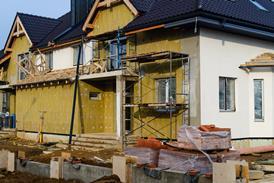
The number is the 14th successive month the index has stayed in the red with residential activity the weakest performing sector with a score of 37.
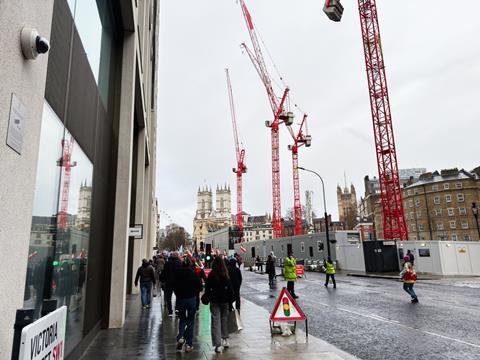
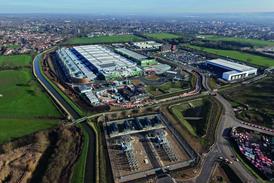
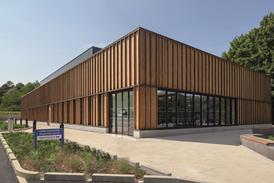
Commercial posted a figure of 46.5 while the contraction in civil engineering was the slowest rate since September last year although the sector remained firmly in the red with a score of 41.
But despite the gloom, business activity expectations improved to their highest level since December 2024. Around 42% of the survey panel forecast a rise in output levels during the year ahead, while only 12% anticipate a decline.
Tim Moore, economics director at S&P Global Market Intelligence, said: “A sharper downturn in house building was the main factor behind the setback for UK construction activity in February, following some signs of stabilisation at the start of 2026.
“The reduction in output was largely due to sluggish demand but some firms also noted that exceptionally wet weather had disrupted construction projects.”
Aecom’s head of cost management Brian Smith said he expected things to improve now spring has arrived.
He added: “I’d be surprised if growth declines any further from here. We know from conversations with contractors that pipelines remain strong and we’ll see much of the planned work start to land on site in the coming months, with spring bringing brighter and milder days.”
And Max Jones, head of construction at Lloyds, said: “Firms retain an optimistic outlook, supported by strong pipelines in civils and commercial, continued infrastructure upgrades and new private sector investment.”
But Thomas Pugh, chief economist at restructuring firm RSM UK, warned that a lengthy conflict in the Middle East could send energy costs and blunt demand for new homes.
He said: “The outlook from here will be largely determined by how energy prices evolve. If energy prices revert to previous levels in the next few weeks, the economic impact should be limited. The Bank of England may not cut interest rates in March, but could still make cuts in April, and the housing market should continue to gather momentum.
“However, if oil and gas prices continue to rise, the resulting impact on inflation will be a constraint on real income growth, and result in fewer interest rates cuts this year, if any. As a result, housing affordability would be stretched, dampening the emerging green shoots of a housing market revival.”







No comments yet