
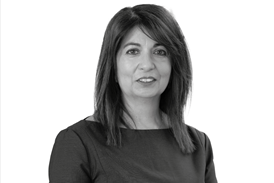









In this latest instalment in our occasional series, Saniat explains why she switched from wanting to be an architect and why she has discovered far more opportunities to develop her career than she initially imagined
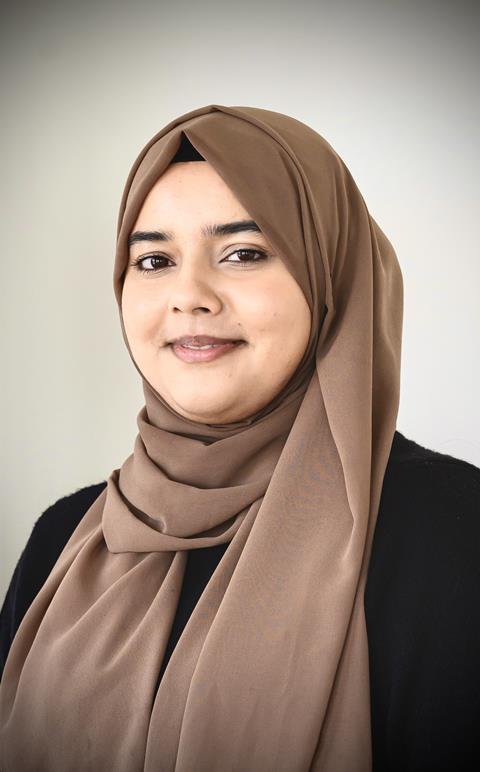
How long have you been working and what is your current job?
Almost two years. In my current role, I support the management of design packages, reviewing and marking up drawings in line with technical standards and compliance requirements, and reviewing specifications.
This involves working closely with consultants and internal teams to help ensure that designs are technically robust and coordinated as they progress through the project stages.
What were your initial career ambitions? (Would your 16-year-old self be surprised at what you’re doing now?)
My initial ambition was to work in architecture and practise as an architect. My 16-year-old self would probably be surprised that I am now working in construction instead. However, I have realised that I enjoy being more hands-on, and working in construction has allowed me to develop a stronger understanding of technical design, compliance and industry standards in a very practical way.
Who or what helped you to get to where you are today?
My family, friends and university tutors have all played an important role in supporting me and encouraging me to take opportunities. I am also very independent by nature, so my own self-drive and motivation have been key in pushing me to take the next step in my career.
Did your choice of subjects/qualifications in school/education help or hinder your ability to get a job in the sector?
Studying architecture has definitely shaped where I am today. It helped to develop my attention to detail and sparked my interest in technical design and interiors, which naturally led me towards the construction industry.
Working in construction allows me to explore this interest both on site and through drawings and specifications. I am not just seeing designs on paper, I am seeing them come to life.
Have you had to overcome any barriers to get where you are today?
One of the main barriers has been overcoming the misconception that the construction industry is only for men. Once you enter the industry, you quickly realise this jusyt isn’t true – there are many women doing amazing jobs across construction.
It is also important to understand that construction is not limited to being on site as a builder; there are technical, design, commercial and planning roles that suit a wide range of skills and interests.
What are the best and the hardest parts of your job?
The best part is the variety. Being part of the technical team means no two days are the same, which keeps the role interesting and engaging.
I work closely not only with technical colleagues, but also with build and commercial teams, which encourages collaboration and strong teamwork across the business.
The most challenging part of the job is managing different contractors and consultants. Everyone has their own working style, so learning how to adapt, communicate clearly and build effective working relationships is an important skill that I continue to develop.
What do you know now about the industry that you wish you had known when you were at school?
I now know that there is so much more to construction than people often realise. There are design, build and commercial elements all working together, each playing a vital role in delivering a project.
When I was at school, I did not appreciate how interesting the technical side of construction could be – it’s far more than simply constructing a building on site.
As a new starter, what most surprised you about the industry?
I was really surprised by the level of support I received as a graduate. Coming from an architectural background, I was used to support from university tutors and was worried that I would not receive the same in the workplace.
If anything, I received even more support. Starting a new role can be daunting, and there is often pressure to adapt quickly, but my team made the process much easier by thoroughly explaining tasks and teaching me the right methods.
What advice would you give someone coming through the school system now about choosing a construction-related career?
Don’t be afraid, and don’t assume the construction industry is just for men. There are so many opportunities available, particularly for women, and a wide range of roles to suit different skills and interests.
Construction covers technical, commercial, build, land and planning, finance, sales and marketing – there really is something for everyone.
What one thing would you change to make it easier for someone to find the right career in the sector?
As an industry, we need to be clearer with students about what different roles actually involve on a day-to-day basis. The range of departments can feel confusing from the outside, so breaking roles down into simple, practical tasks would help students to better understand where they might fit within construction.
Any other advice/comments?
Don’t be afraid to ask questions or take part in taster days or work experience opportunities. Construction companies are generally very welcoming to students, and getting first-hand experience is one of the best ways to understand what different roles involve and whether they are right for you.
Tell us about your route into construction
The industry includes an impressive range and variety of roles – but unless you are on the inside it can be hard to know how to break in, let alone progress to the top. In this series, we talk to professionals about their often surprising career twists and turns. If you want to be featured, email nicolas.andrews@assemblemediagroup.co.uk




No comments yet