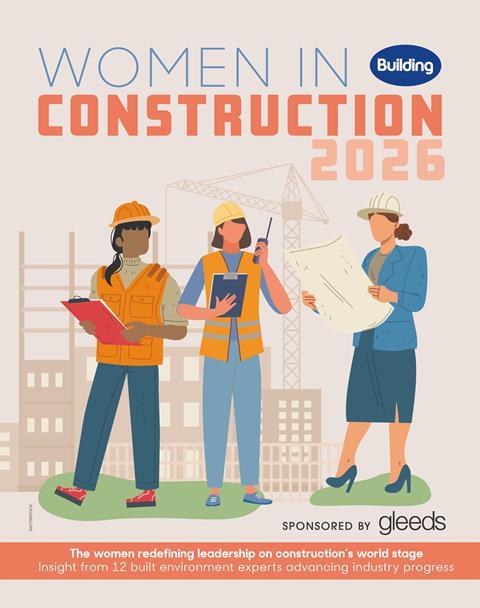





For a third year, we have brought together the stories of women shaping construction and the wider built environment as part of Building’s ongoing commitment to visibility. When women’s achievements are seen, shared and celebrated, the pathway widens for others to follow.
In these pages you will meet leaders working in Africa, Asia, Europe North America, Oceania and South America; engineers, architects, entrepreneurs and strategists operating at every scale, from local placemaking to national stadiums.
What connects them is not a single career path – in fact, many describe theirs as anything but linear – but a shared determination to build, to lead and to change the industry for the better.
One of the themes to have emerged this year is the global nature of careers in the built environment. Alessandra Peña speaks of navigating different professional cultures and project structures across continents. Tomoko Maekawa reflects on balancing global corporate standards with local realities in Japan.
Krithika Ramesh’s work sits at the intersection of government, innovation and infrastructure systems. These are women operating confidently in complex, international environments – often in sectors historically male dominated.
>> Download the Women in Construction 2026 special report <<
Another recurring theme is credibility. “Develop technical credibility early,” advises Maekawa. Tania Guerra talks candidly about learning a new language while learning engineering, and the need to ask for opportunity rather than wait to be noticed. Virginia Njoroge built her construction company from the ground up in Nairobi, navigating late payments, fluctuating material costs and the pressures of leadership. None of these stories are about overnight success. They are about persistence, competence and courage.
And yet, for all the progress represented here, challenges remain familiar. Several interviewees describe being the only woman in the room. Others point to unconscious bias, inflexible working practices or the attrition of women as careers progress. As one interviewee puts it, the imbalance often does not show at entry level, rather it emerges “down the career path”. Structural change, not symbolic change, is what many are calling for.
The mission of International Women’s Day resonates strongly with the experiences shared here. It highlights how generosity – whether that’s providing women with opportunities, mentoring, training, resources or time – creates momentum for everyone’s progress. When we provide support and visibility to women, the whole industry rises.
Building’s role in this is clear. By publishing these stories, we aim to contribute to that culture of giving: providing the visibility that helps others see what leadership can look like, and believe it is possible for them too. This collection of women’s experiences shows that seeing female leadership in action is one of the most effective drivers of change.
I am proud that Building can share these stories. Making women’s achievements visible is not the end goal, but it is an essential step towards a built environment that genuinely reflects the society it serves.
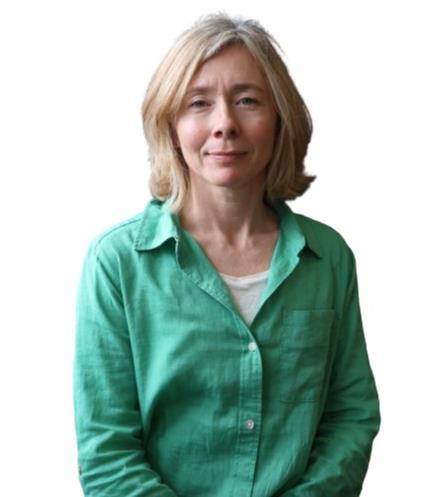
Chloë McCulloch is the editorial director at Building