











This is part of a special report produced in partnership with Gleeds
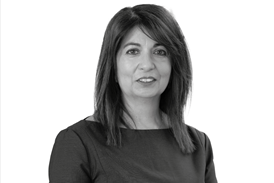
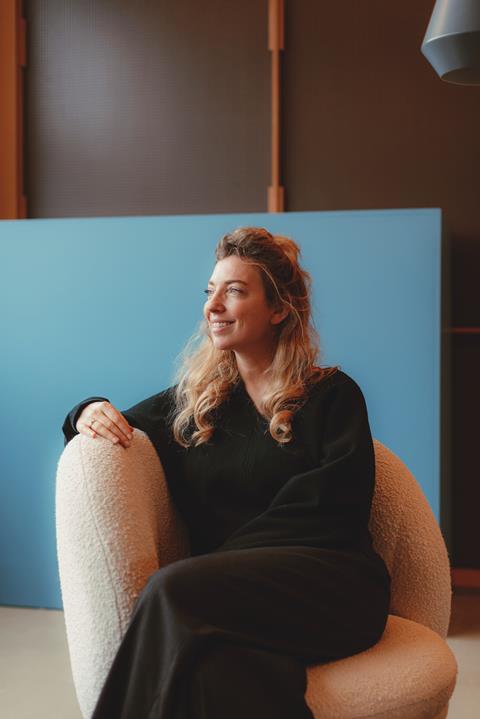
From her base in Amsterdam, Sanne de Wit has spent the past 15 years working at the intersection of construction, sustainability and systems change – not designing buildings, but redesigning how the industry operates.
She co-founded the Energiesprong Global Alliance, an international foundation accelerating large-scale housing renovation through a performance-based, market-driven approach.
The aim was to move retrofit beyond pilots and into scalable propositions, supporting market development teams across Germany, France, Italy and the UK.
She stepped down from operational leadership this summer and now sits on the advisory board.
Five years ago she co-founded Bureau Door with three other women. Now a team of nine, the company develops communication strategies and events aimed at driving sustainable change within construction.
“Most of our clients want change,” de Wit says. “And real change almost always requires organisational change.”
She explains: “Innovation is rarely about ideas. It is about creating an environment where people feel safe enough to question, vulnerable enough to learn and bold enough to act. If you do not organise that environment, innovation simply does not happen.”
>> Download the Women in Construction 2026 special report <<
Her work focuses precisely on that invisible architecture – culture, positioning and community-building.
Her route into the sector was “quite random”. In a chance encounter, a woman bluntly told her she was “wasting my talent” in the tourism sector.
This led to a freelance assignment and a proposal: try it for three months and leave if it doesn’t fit. “That level of directness turned out to be exactly what I needed.”
Construction is compelling, she finds, because it is “extremely traditional and extremely innovative at the same time”. The tension between legacy systems and urgent climate imperatives creates opportunity: “If you can connect those two worlds, there is enormous potential.”
The woman who first challenged her became a defining influence. “I am socially strong, but for a long time I was afraid to fail,” de Wit admits. Social intelligence, she realised, can mask avoidance. Her mentor worked from first principles and was unafraid to call out weak thinking. “It was uncomfortable. It was also transformative.”
At some point, de Wit decided she was tired of operating from fear. “Whenever something gave me a stomach ache, I went towards it instead of away from it.” The lesson she carries forward is simple but demanding: always return to first principles. Even when a problem appears familiar, treat it as if it is new. Understand it fully before proposing solutions.
Her career has unfolded within a male-dominated sector – and, she adds pointedly, “a largely male-dominated world”. Early experiences working for a dominant leader created a dynamic she now recognises as common among women: disagreeing internally while still seeking validation externally. Sustained over time, that tension contributed to burnout.
“I overcame it by growing up, in a way,” she says. By becoming more fully her own boss and building a company with other women. What she learned is that “resentment changes nothing. As long as we are angry, we remain reactive. And reactive systems do not transform.”
Asked what the industry must do to attract more women, de Wit reframes the question. “I am a feminist, although not always in the way that is fashionable,” she says. The core issue, in her view, is not simply numbers. It is about valuing so-called feminine and masculine qualities equally in decision-making. Empathy, collaboration and vulnerability must sit alongside decisiveness and control. “If we only talk about numbers, we risk addressing symptoms instead of the underlying imbalance.” Without honesty about the dynamics between men and women in professional settings, she warns, “we will simply professionalise our frustration”.
Her greatest achievement, she says, is not a single project but perhaps “that I no longer organise my career around fear”. That internal shift altered everything.
Her advice to women entering the built environment sector in the Netherlands is nuanced. “Do not change yourself to be accepted. But also, try not to fight people. Fight systems. And if you can, do the hardest thing of all: stay compassionate while you do it.”