






This is part of a special report produced in partnership with Gleeds
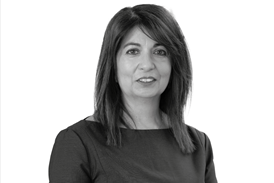
Growing up in a rural community in Ireland, Máire Lenihan developed an early connection to nature that would shaped her entire career. “I have always been connected to nature and the environment,” she says. That fostered a curiosity about how engineering could both enhance communities and protect the natural world, and led her to study environmental engineering at the University of Ulster in Belfast.
More than 20 years into her career – eight of those with global consultant Stantec – Lenihan is its UK and Ireland operations director, based in Ireland but primarily supporting the firm’s UK water business. Her role is strategic and forward-looking, focused on growing Stantec’s national presence at a time when the sector is delivering some of its most ambitious programmes.
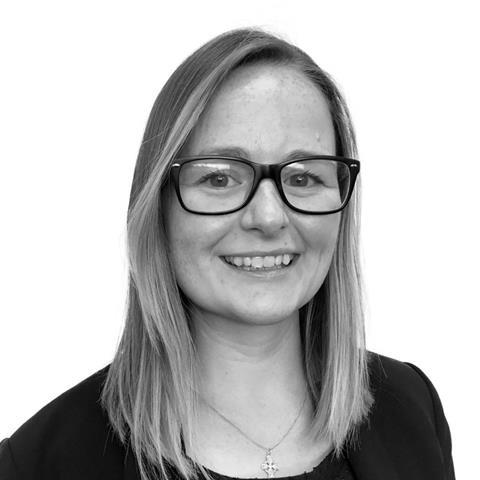
Day to day, her work spans the breadth of the organisation. She collaborates with senior water leaders, talent acquisition teams and marketing specialists to identify emerging client needs and new opportunities for growth as well as finding “new ways to attract the best people into Stantec”.
She began her professional life as an environmental engineer and has worked internationally in both technical and leadership roles. Throughout that journey, she has remained motivated by the idea of creating “positive impacts for communities”. That sense of purpose continues to underpin her leadership today.
>> Download the Women in Construction 2026 special report <<
Professional development – in particular attaining professional qualifications “has been a key accelerator for me”, says Lenihan. Achieving chartered engineer status and completing a postgraduate diploma in business “opened doors for me almost instantly”. Those qualifications not only validated her technical expertise but also expanded her confidence and capability to move into broader leadership roles, from project management to business development and operational oversight.
Like many in the sector, Lenihan identifies stakeholder complexity as one of the most significant – and stimulating – challenges in infrastructure delivery. In water especially, projects affect clients, contractors, regulators and communities alike. Ensuring that all parties achieve mutually beneficial outcomes requires careful co-ordination and trust. “Ultimately, communication and building relationships is key to success,” she reflects.
One project that encapsulates that collaborative ethos is Stantec’s strategic technical partnership with Northumbrian Water and the creation of the Northumbrian Water Living Water Enterprise. Lenihan describes it as “an incredible journey”, particularly during the establishment and mobilisation phases. The partnership challenged conventional delivery models and embraced innovative approaches to carbon reduction and nature-based solutions – a reflection of how enterprise-style models can drive outcome-focused collaboration.
Mentorship has also been central to her development. Over two decades, she has worked with leaders who encouraged her to step beyond her comfort zone. Most recently, she credits Stantec’s regional business lead for water, Scott Jackson, with providing “numerous career growth and challenge opportunities”. Within the wider organisation, she also points to her company’s global chief operating officer, Cath Schefer, as someone who has been consistently supportive and encouraging.
When it comes to attracting more women into engineering, Lenihan believes the conversation must begin early. “The appeal must start in early childhood,” she says, through education, STEM outreach and positive representation. Continual reinforcement – and visible examples of women succeeding in the field – are essential to demonstrating that engineering is not only accessible but also rewarding.
She is keen to share her own experience, in that spirit. “I will always share my career stories in a positive light,” she says. The variety of the built environment has afforded her opportunities to work across multiple sectors and geographies, building transferable skills along the way.
Her advice to women who are considering the industry is characteristically direct: “Do it! I’ve been so fortunate to have so many opportunities in the built environment, working across multiple locations, geographies and sectors. There is so much variety in this career that you can try certain projects or sectors and use the skills you learn to transfer to another area.” Just as important is making sure you have support: “Seeking support, mentorship and guidance from your peers along the way has proved invaluable for me.”
For Lenihan, engineering has never been solely about infrastructure. It is about purpose, partnership and long-term impact – and about ensuring the next generation see the possibilities that she discovered growing up in rural Ireland.