




In the first of a three-part series, leadership coach Mimi Dietrich considers how volatility is reshaping every corner of the built environment and leaving many professionals overwhelmed. She shares how leaders and teams can replace anxiety-driven reactions with resilience and confidence to thrive in uncertain times
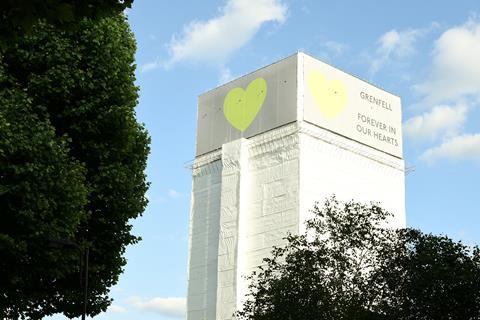
The UK built environment never stands still. From post-Grenfell fire regulation shakeups and the Building Safety Act to global economic uncertainty, supply chain disruption, property tax changes and shifting environmental targets; the pace of change is relentless.
Projects stall or are redesigned, roles shift, and teams are left in limbo, unsure which way to turn in the face of uncertainty.
For many, this unpredictability fuels stress, burnout, and poor decision-making. It comes up consistently with my coaching clients, and I’ve experienced it firsthand on the ground throughout my time in the industry.
A development director recently told me they felt like they were treading water, constantly reacting rather than leading their project, while a young project management graduate said they felt pulled in all directions while the project kept changing daily.
One of the best pieces of advice I received in my career was simple: flow like water. In an industry where projects change daily, adaptability is everything.
I craved structure and predictability. But reality has a habit of changing the rules mid-game
At first, it felt foreign, as I craved clear structure and predictability; with clear RIBA stages, defined site programmes and a mapped-out career plan. But reality has a habit of changing the rules mid-game and like many of us, I later discovered that rigid plans rarely survive contact with reality.
So, what happens when those of us who crave structure are thrust into uncertainty?
Stress spikes. We may cling to outdated processes, over-plan to compensate, or push for premature decisions to regain sense of control. Neuroscience explains why: the brain’s priority is survival under uncertainty, defaulting to fast, automatic thinking; what Nobel Prize winner Daniel Kahneman calls “system 1 thinking”.
The brain leans on past experiences, ingrained habits, unconscious biases and social norms that once kept us safe. Because those responses worked before, it instinctively replays them, even when they may no longer fit.
By relying only on fast thinking, it may narrow our focus, elevate stress hormones and weaken our decision-making. Left unchecked, this can lead to burnout and mistakes, especially during turbulent times.
We’re thrilled to confirm that the Good Employer Guide Live event is officially back for 2026 - and it’s bigger than ever.

As part of our commitment to championing excellence, this event will once again shine a spotlight on the organisations leading the way in creating inclusive, supportive, and forward-thinking workplaces.
This year’s event is expanding to include dedicated content from both Building and Housing Today, offering even more insight and debate across the entire built environment sector.
Join us to hear from companies with some of the most forward-thinking careers initiatives and find out more about what it takes to be a good employer in the built environment today.
📅 Date: 5 March 2026
📍 Location: The Savoy, The Strand, WC2R 0EZ London
For example, when procurement delays hit, teams may instinctively order a “close enough” alternative product that worked previously without verifying its full compliance. Or when a construction programme slips, managers may instinctively compress critical path activities without fully reassessing site risks and sequencing knock-on effects.
During early days of covid, system 1 patterns were on full global display:
- Status quo bias: clinging to familiar ways of working, even when ineffective
- Herd bias: waiting for others to adopt new practices first, before taking the leap
- Loss aversion: avoiding new processes for fear of mistakes, instead of adapting to change
So, what’s the antidote?
To navigate uncertainty, it helps to pair this instinctive fast system 1 thinking with slower, more deliberate system 2 thinking. Yes, it takes more energy, but it engages rational logic and deliberate thought.
With my clients, I use practical tools such as:
- Cognitive reappraisal, which reframes challenges as opportunities, not threats. For example, when a late design change lands, see it as an opportunity to improve coordination or optimise the build sequence, rather than a deadline threat.
- Micro-decisions. These allow you to prioritise what you can influence yourself and let go of what you cannot. For example, identify the single task you can move forward today and release noise of broader issues you can’t personally solve, outside of your control.
- Mindfulness pauses, involving breaks to reset focus and shift your brain from reactive to deliberate thinking. For example, take short walks or set 15-minute buffers between meetings to reset with intention before diving into the next crisis.
Supportive leaders can help create calm for their teams during uncertainty, by setting clearly defined priorities, clarifying responsibilities and delegating effectively
Leadership plays a key role too. As business author Simon Sinek says: “Leadership is not about being in charge. It’s about taking care of those in your charge.” Supportive leaders can help create calm for their teams during uncertainty, by setting clearly defined priorities, clarifying responsibilities, and delegating effectively. Small, repeated practices can help to reduce stress, restore control, and build resilience within yourself and your project teams across the wider industry.
When uncertainty hits, try three small practices:
- Focus on what’s directly within your control
- Set clear boundaries on urgent requests
- Communicate your priorities clearly
- Introduce short pauses during the noise, to reset your day
Change is constant in the built environment. Learning to refine your thinking and behaviours during uncertain times helps build resilience and agility. I return to these tools whenever my fast system 1 thinking creeps back in.
Ask yourself:
- What is within my control right now, and what can I let go of?
- How can I pause or reset today to think more clearly?
- What’s one small action that moves me forward and restores my sense of control?
Leaders who cultivate clarity, calm and control not only improve project outcomes but also foster healthier, more resilient teams. The benefits ripple far beyond individual projects, down to real people and teams on the ground, shaping the built environment.
And on a personal note, the lesson I carry forward is simple: prepare, plan, but stay nimble and curious - the real skill in the built environment is not predicting every move, but responding thoughtfully when the game changes, uncovering opportunities you might never have imagined.
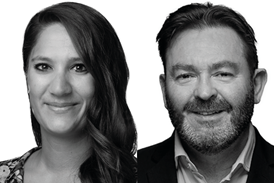
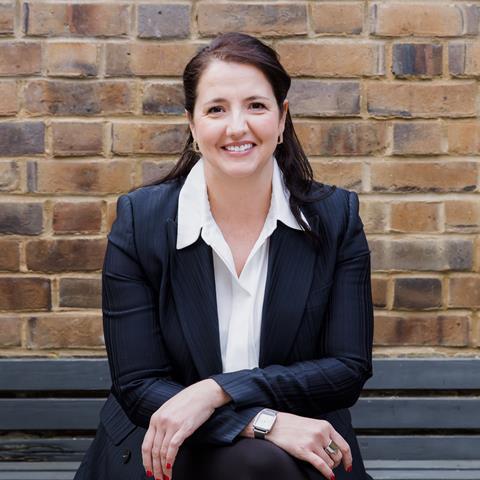
Mimi Dietrich is an an ICF-accredited leadership and career coach, founder of Foundry of Thought, and has worked for over 25 years in property, design and construction.
Next month in “Coach on the Ground” series, Mimi shares how companies and graduates can fix soft-skill gaps, to prepare next-gen talent for demands of the built environment.






No comments yet